Plan Your Trip
-
Designing a Trip Around Energy, Not Attractions
Designing a trip around energy, not attractions means planning for sustainable load, not map proximity. By alternating physical, cognitive, environmental, and social strain—and building recovery before depletion—you create an itinerary that stays enjoyable mid-trip instead of quietly degrading as fatigue and decisions compound.
-
Why Most Travel Plans Collapse Mid-Trip
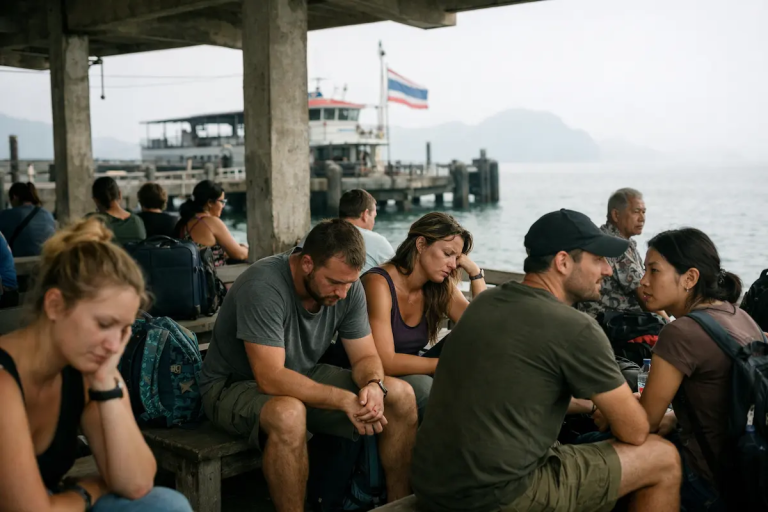
Most travel plans don’t fail dramatically — they collapse quietly between Day 3 and Day 5, when cumulative load exceeds recovery. This article explains the structural reasons itineraries unravel (transitions, pacing, buffers, backtracking, decision density) and shows how to redesign for resilience before bookings lock you into a fragile route.
-
How to Build an Itinerary Around What You Actually Care About (Not a Checklist)
Most itineraries are built around attractions. The best ones are built around priorities. This guide shows how to identify what you actually care about, protect it structurally, and design a trip that feels coherent, stable, and satisfying — instead of busy and emotionally thin.
-
7-Day Itinerary vs 10-Day Itinerary: How to Choose the Right Trip Length
Choosing between a 7-day itinerary and a 10-day itinerary isn’t just about adding nights. It’s about structure, pacing, and margin. This guide explains how trip length changes movement, energy, and stability — so your route feels coherent instead of rushed by day four.
-
Plan My Trip: What Proper Planning Actually Involves (And When to Get Help)
Planning a trip isn’t just about choosing destinations — it’s about designing a structure that holds up under real conditions. If you’re wondering whether to plan your trip yourself or bring in professional support, this guide clarifies what proper planning actually involves and when it’s smarter to get help.
-
How to Plan Thailand Travel Days (Flights, Ferries, Vans, Reality)
Thailand travel days look simple on a map, but flights, ferries, vans, and city congestion quietly reshape each one. Understanding how movement absorbs time and energy is the difference between a route that holds together — and one that starts to feel rushed by Day 3.