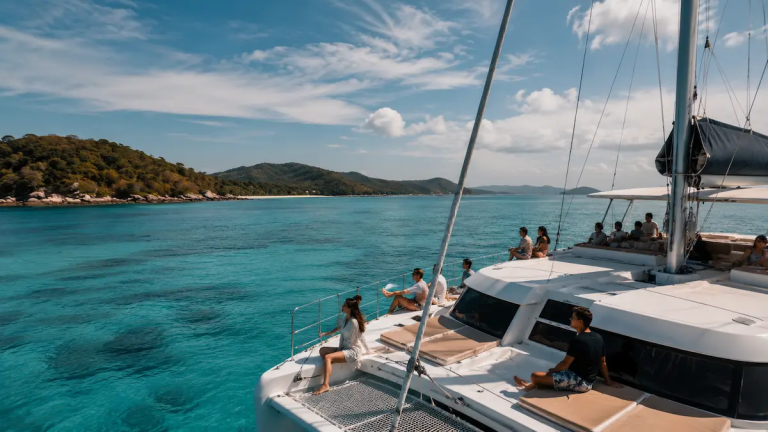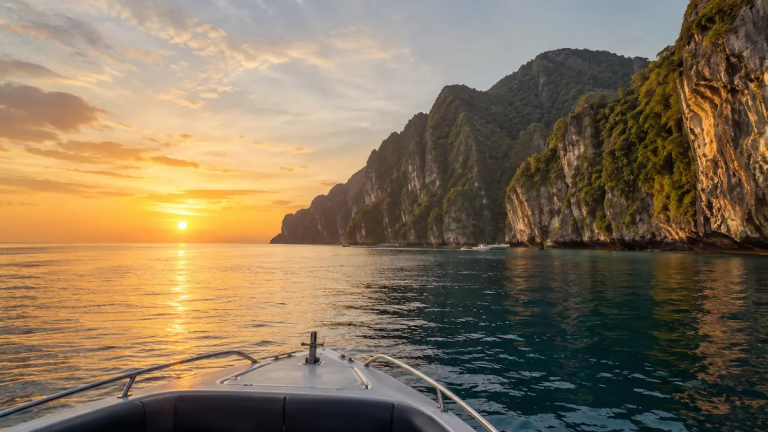
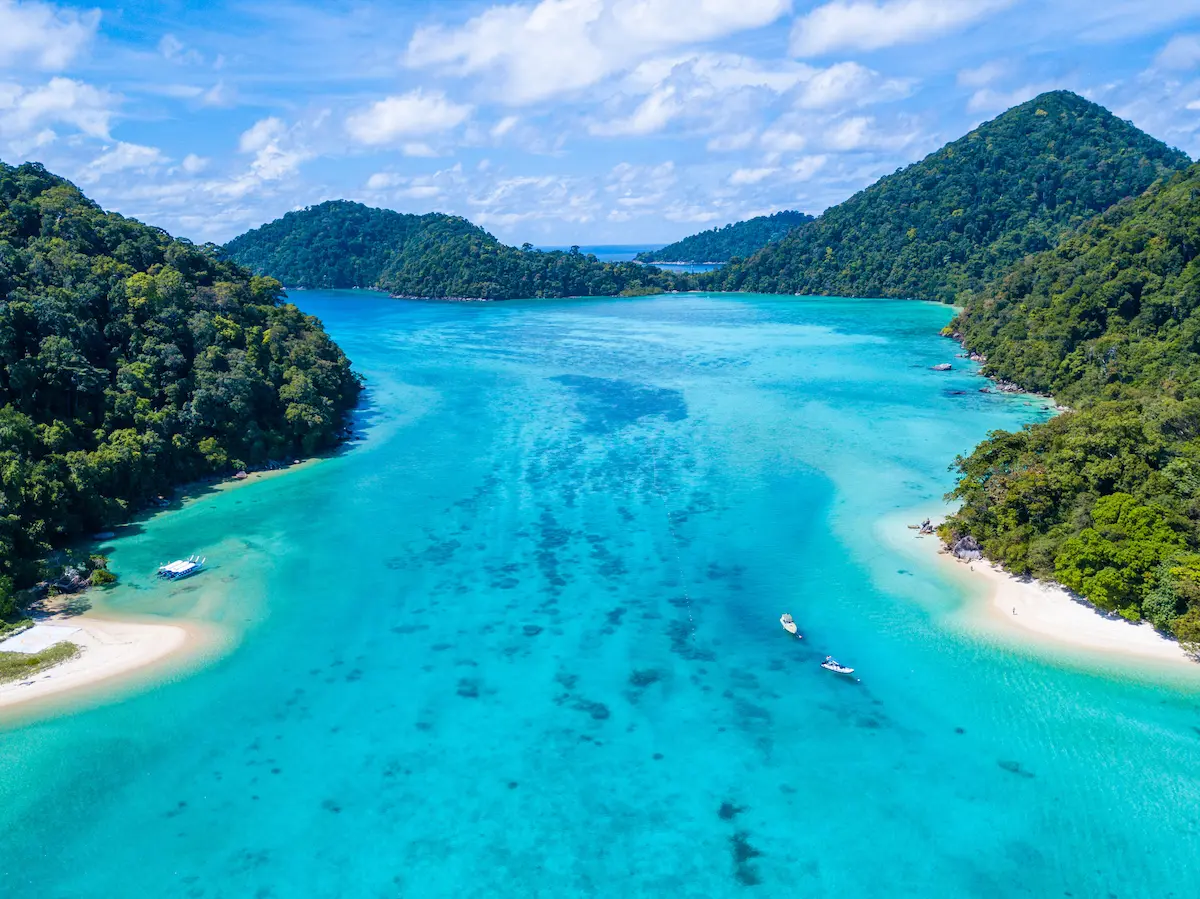
Why Visit the Surin Islands?
Many travellers first discover the Surin Islands Thailand through snorkelling tours, colourful reef photographs and promises of crystal-clear water. While the snorkelling is undoubtedly one of the main attractions, the reality is that the Surin Islands offer far more than a collection of coral reefs.
Located in the northern Andaman Sea, around 60 kilometres offshore from Phang Nga province, this protected marine national park forms part of the wider Northern Andaman Archipelago, a remote island region that includes some of Thailand’s most remarkable marine environments.
Visitors come to snorkel alongside tropical fish, explore quiet white-sand beaches, learn about the traditional Moken sea nomad community and experience a part of Thailand that remains far less developed than many of the country’s more famous island destinations.
The journey to reach the Surin Islands Thailand requires more effort than many Phuket excursions, but for travellers seeking nature, marine life and a genuine sense of discovery, it is a destination that many consider well worth the trip.
Where Are the Surin Islands Thailand?
The Surin Islands Thailand are located in the northern Andaman Sea, approximately 60 kilometres offshore from the Phang Nga coastline and close to Thailand’s maritime border with Myanmar. The archipelago forms part of Mu Ko Surin National Park, a protected marine reserve covering both the islands themselves and the surrounding waters.
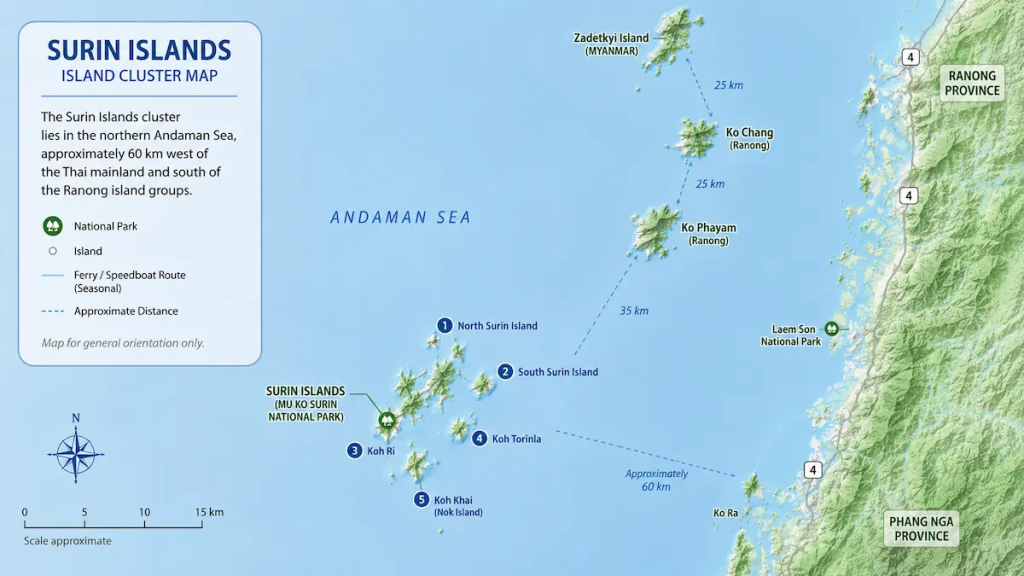
Unlike many of the islands commonly visited from Phuket, the Surin Islands sit far to the north of Phang Nga Bay and the Phi Phi Islands. Their position helps illustrate the broader geography of the islands surrounding Phuket and the different island clusters found throughout the Andaman Sea.
The archipelago consists of five islands. Koh Surin Nuea (North Surin) and Koh Surin Tai (South Surin) are the two largest and most visited islands, separated by a narrow channel that can be crossed on foot during low tide. Three smaller islands — Koh Ri, Koh Khai and Koh Klang — complete the group and help protect the surrounding reef systems.
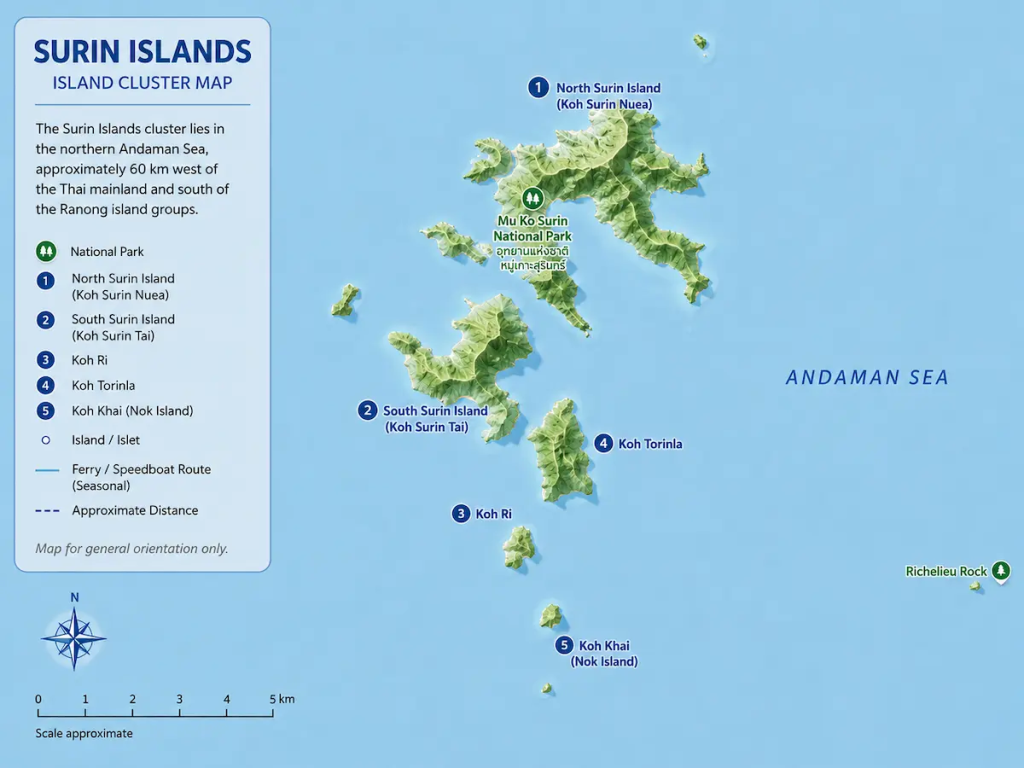
For many visitors, the Surin Islands feel less like a typical island excursion and more like a journey into one of Thailand’s most protected marine environments.
Why the Surin Islands Feel Different
Many of Thailand’s most popular island destinations are built around resorts, beach clubs, nightlife or large-scale tourism infrastructure. The Surin Islands offer something very different.
As a protected marine national park, development on the islands is intentionally limited. There are no luxury resorts, large hotel complexes or busy entertainment districts. Instead, visitors find forest-covered islands, quiet beaches, simple national park accommodation and a landscape that remains largely shaped by nature rather than tourism.
This protected status is one of the reasons the islands continue to attract travellers looking for a more natural side of Thailand. The absence of major development has helped preserve both the marine ecosystem and the atmosphere of the islands themselves.
For many visitors, the first thing they notice is not the snorkelling but the feeling of being somewhere genuinely removed from the more commercial parts of the Andaman coast. The pace is slower, the scenery feels less altered, and much of the experience revolves around the natural environment rather than organised attractions.
That sense of remoteness is also part of the reason why reaching the Surin Islands requires a little more effort. Most visitors travel north through Phang Nga before continuing by speedboat to the islands. While the journey is longer than many Phuket day trips, it is also one of the reasons the islands have retained much of their natural character.
Experience One of Thailand’s Best Marine Environments
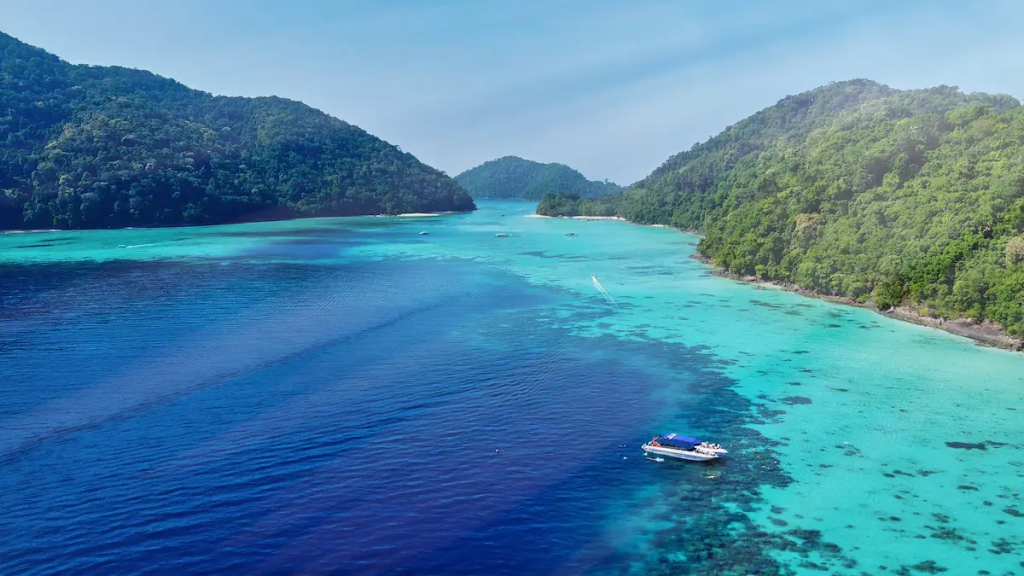
If there is one reason most travellers choose to visit the Surin Islands Thailand, it is the extraordinary marine environment surrounding the archipelago.
The waters around the islands are widely regarded as some of the healthiest and most biodiverse in Thailand. Extensive coral reefs fringe the islands, creating habitats for hundreds of species of tropical fish, sea turtles, rays and countless smaller marine creatures. The clear water and relatively shallow reef systems make many areas accessible even to casual snorkellers, while deeper sites attract experienced divers from around the world.
For snorkelling enthusiasts, the Surin Islands are often considered among the best locations in Thailand. Visitor reviews consistently praise the clarity of the water, the quality of the coral reefs and the variety of marine life visible close to the surface. Many travellers who have snorkelled elsewhere in Thailand describe the Surins as one of their most memorable underwater experiences.
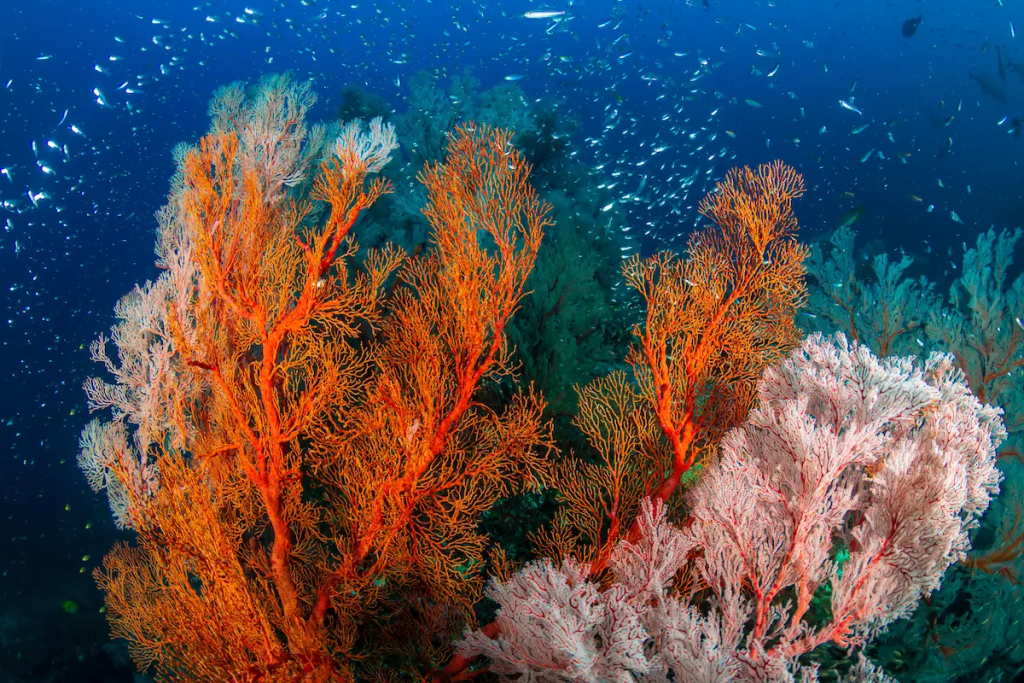
The islands are also known for larger marine species. Hawksbill and green sea turtles are regularly seen in the national park, while dolphins occasionally appear in surrounding waters. During certain periods of the year, lucky visitors may even encounter whale sharks or manta rays, although such sightings remain relatively rare.
What makes the marine environment particularly special is not simply the abundance of wildlife but the overall health of the ecosystem. Strong currents, protected status and decades of conservation work have helped create a marine environment that continues to attract divers, snorkellers and nature lovers from around the world.
Even for visitors who spend only a few hours in the water, it quickly becomes clear why the reefs surrounding the Surin Islands Thailand are considered one of the archipelago’s greatest treasures.
More Than Just Snorkelling
Although snorkelling is the activity most commonly associated with the Surin Islands, it is only one part of the overall experience.
The archipelago itself is surprisingly diverse. Powdery white-sand beaches, sheltered bays, forest-covered hills and undeveloped coastlines create an environment that feels very different from many of Thailand’s more heavily visited islands. Beaches such as Chong Kad Bay and Mai Ngam Bay offer opportunities to relax, swim or simply enjoy the scenery between snorkelling sessions.
The islands also appeal to photographers and nature lovers. Clear turquoise water, granite headlands, tropical forests and remote beaches provide countless opportunities to experience the landscape beyond the reef. Visitors staying overnight often discover that some of the most memorable moments occur away from the snorkelling sites, whether watching the changing light over the bays or simply enjoying the quieter atmosphere after many day visitors have departed.
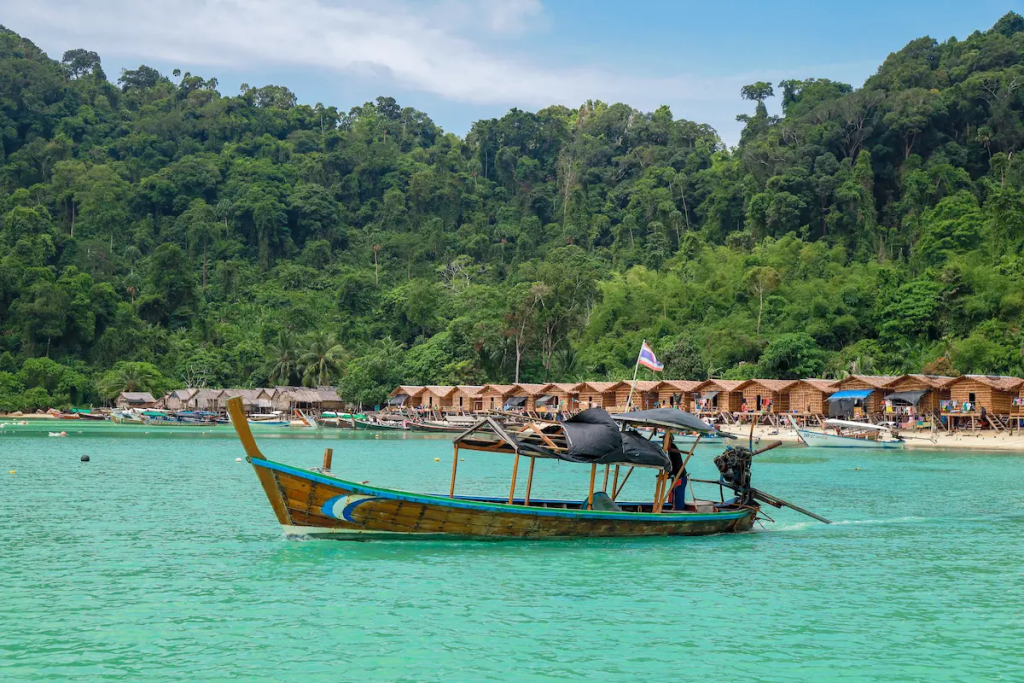
Wildlife can also be found on land as well as underwater. The islands support tropical birdlife, monitor lizards and dense coastal vegetation, while mangrove areas and seagrass habitats contribute to the wider ecosystem that makes the national park so important.
Perhaps most importantly, the Surin Islands offer something that has become increasingly difficult to find in many tourist destinations: a feeling of genuine remoteness. Even during the busy season, much of the archipelago retains a sense of being shaped primarily by nature rather than tourism.
For travellers who arrive expecting only a snorkelling trip, this broader island environment is often one of the most pleasant surprises of a visit to the Surin Islands Thailand.
Discover Moken Culture
One of the most distinctive aspects of the Surin Islands Thailand is the opportunity to learn about the Moken people, often referred to as the sea nomads or sea gypsies of the Andaman Sea.
The Moken have lived throughout the waters of the Mergui Archipelago and northern Andaman region for generations, traditionally relying on fishing, boat-building and an intimate knowledge of the sea for their survival. Long before the islands became a national park or a tourism destination, these waters formed part of the Moken’s seasonal migration routes and way of life.
Today, a Moken community remains on Koh Surin Tai, where visitors can gain a glimpse into a culture that differs significantly from mainstream Thai society. Many organised tours include a stop at the village, allowing travellers to learn more about the community, observe traditional wooden boats and purchase locally made handicrafts.
For some visitors, the village is simply an interesting cultural stop during a day of snorkelling. For others, it provides an important reminder that the Surin Islands are not only a natural environment but also a place with a rich human history.
The Moken community has faced significant challenges over the years, including the devastating 2004 Indian Ocean tsunami and a major village fire in 2019. Despite these difficulties, the community continues to preserve elements of its traditional identity and remains one of the most unique cultural features of the national park.
While the reefs and marine life may attract most visitors to the Surin Islands Thailand, the opportunity to encounter a living maritime culture adds another layer to the experience and helps distinguish the archipelago from many other island destinations in Thailand.
Choosing Your Surin Islands Experience
One of the appealing aspects of the Surin Islands Thailand is that there is no single way to experience the archipelago. Visitors can choose between organised tours, overnight stays or independent travel depending on their interests, available time and preferred travel style.
For most travellers, a day tour remains the simplest option. Organised excursions operate from both Phuket and Khao Lak, typically including transport, speedboat transfers, snorkelling equipment, lunch and national park fees. These tours provide an excellent introduction to the islands and are particularly popular with visitors who have limited time available.
Travellers looking for a slower pace may prefer an overnight stay within the national park. Basic bungalows, camping areas and glamping-style tents allow visitors to spend more time exploring the islands beyond the busiest daytime hours. For photographers, nature enthusiasts and travellers seeking a stronger connection with the environment, an overnight visit can provide a very different experience from a standard day trip.
Independent travel is also possible. Visitors can make their own way to Khura Buri Pier, purchase a return speedboat ticket to the islands and stay in national park accommodation. Once on the islands, local boat services can be arranged for exploring different bays and snorkelling locations. While this option requires more planning, it offers the greatest flexibility and appeals to travellers who prefer to explore at their own pace.
There is no universally “best” way to visit the Surin Islands. The right choice depends on what you hope to gain from the experience. Some visitors are perfectly satisfied with a day spent snorkelling above the reefs, while others prefer to slow down, stay overnight and immerse themselves more fully in one of Thailand’s most remarkable marine national parks.
Who Will Enjoy the Surin Islands?
The Surin Islands Thailand are not the right destination for every traveller, and that is part of what makes them special.
Visitors who enjoy nature, marine life and outdoor experiences are likely to find the islands particularly rewarding. Snorkellers and divers are naturally drawn by the coral reefs and clear water, but the destination also appeals to photographers, wildlife enthusiasts and travellers who enjoy exploring places that feel less commercialised than many popular tourist hotspots.
The islands are especially well suited to travellers who appreciate national parks and natural environments. Those who value beaches, scenery, conservation and a slower pace of travel often discover that the Surins offer a very different experience from destinations built around resorts and entertainment.
Independent travellers may also appreciate the flexibility available through overnight stays and self-guided visits. The opportunity to spend more time on the islands, rather than simply passing through on a day trip, can be particularly appealing for those who enjoy experiencing a destination at their own pace.
On the other hand, travellers seeking luxury accommodation, vibrant nightlife or a highly developed tourism scene may find that the Surin Islands are not the best fit. Facilities are intentionally limited, the journey requires commitment and much of the appeal comes from the natural environment rather than organised attractions.
For many visitors, that balance is exactly what makes the destination so memorable. The Surin Islands Thailand reward curiosity, patience and a willingness to travel a little further in exchange for an experience that feels increasingly rare in modern travel.
Conclusion
At first glance, it is easy to assume that the Surin Islands Thailand are simply another snorkelling destination. After all, most visitors arrive by boat, spend time exploring the reefs and leave with memories of colourful fish, coral gardens and crystal-clear water.
Yet the more time you spend learning about the archipelago, the more it becomes clear that the Surins offer something broader than a single activity. The islands combine exceptional marine life, protected natural environments, white-sand beaches, unique cultural heritage and a level of remoteness that has become increasingly difficult to find in many parts of Thailand.
The journey to reach the islands is longer than many excursions from Phuket, and the facilities are intentionally limited compared with more developed destinations. For many travellers, however, these are not disadvantages but part of the appeal. The effort required to reach the islands has helped preserve much of what makes them special.
Whether you choose a day trip, an overnight stay or an independent adventure, the Surin Islands Thailand offer an opportunity to experience one of the country’s most remarkable marine national parks. While the snorkelling may be what first captures your attention, it is often the wider environment, atmosphere and sense of discovery that remain long after the journey home.
Ready to Experience the Surin Islands?
Whether you’re looking for a convenient day trip from Phuket, a slower overnight adventure, or a departure from nearby Khao Lak, there are several ways to experience one of Thailand’s most remarkable marine national parks.
Surin Islands Day Trip from Phuket
Best for:
- Phuket visitors
- First-time Surin visitors
- Limited holiday time
Experience the highlights of the Surin Islands on a fully organised day trip from Phuket, including transfers, speedboat transport, snorkelling stops and a visit to the amazing Moken village.
Surin Islands Overnight Experience
Best for:
- Want a slower pace
- Nature lovers
- Photographers
Spend more time exploring the Surin Islands with an overnight stay in the national park. Enjoy the beaches, marine environment and island atmosphere beyond the standard day-trip schedule.
Surin Islands Day Trip from Khao Lak
Best for:
- Khao Lak visitors
- Phang Nga travellers
- Want less transfer time
Reach the Surin Islands from the closest mainland departure points. Enjoy more time exploring the beaches, reefs and marine environment & maximise your visit to the national park.
Interested in exploring more island experiences? We’ve selected some of our favourite island trips and experiences from across the region.
Frequently Asked Questions About the Surin Islands Thailand
Are the Surin Islands worth visiting?
For many travellers, yes. The Surin Islands are widely regarded as one of Thailand’s best marine national park destinations, offering exceptional snorkelling, healthy coral reefs, beautiful beaches and a more natural environment than many heavily developed island destinations.
How far are the Surin Islands from Phuket?
The islands are located approximately 200 kilometres north of Phuket. Most organised tours include a road transfer to departure piers in Phang Nga followed by a speedboat journey to the islands.
What are the Surin Islands most famous for?
The Surin Islands are best known for their coral reefs, marine life and snorkelling opportunities. They are also recognised for their protected national park environment and the Moken sea nomad community that lives within the archipelago.
Can you stay overnight on the Surin Islands?
Yes. Visitors can stay in national park accommodation, camping areas and limited bungalow-style lodging operated by Mu Ko Surin National Park. Overnight stays allow travellers to experience the islands at a slower pace than most day trips.
Can you visit the Surin Islands without a tour?
Yes. Independent travellers can travel to Khura Buri Pier, purchase return boat tickets and stay within the national park. This option requires more planning but offers greater flexibility for exploring the islands.
What is the best time to visit the Surin Islands Thailand?
The national park is generally open from mid-October until mid-May each year. The islands are usually closed during the monsoon season to protect visitors and allow the marine environment to recover.
Are the Surin Islands suitable for non-snorkellers?
Yes. Although snorkelling is the most popular activity, visitors can also enjoy beaches, island scenery, wildlife, photography, nature experiences and cultural visits to the Moken community.
How many islands make up the Surin Islands?
The archipelago consists of five islands: Koh Surin Nuea, Koh Surin Tai, Koh Ri, Koh Khai and Koh Klang. Together they form part of Mu Ko Surin National Park in the northern Andaman Sea.
What makes the Surin Islands different from other Thai islands?
Unlike many popular island destinations, the Surin Islands remain largely undeveloped. There are no large resorts, beach clubs or nightlife districts. Instead, visitors experience a protected marine national park focused on nature, conservation and outdoor activities.
Are the Surin Islands good for photography?
Yes. The combination of clear water, white-sand beaches, tropical forests, coastal scenery and traditional Moken culture provides a wide range of photographic opportunities both above and below the water.
About the Author
David Hibbins is a Phuket-based travel publisher, photographer and writer focused on helping travellers make better travel decisions through research, destination understanding and real-world travel experience.
He is the founder of Go Find Asia, a destination discovery platform exploring the geography, experiences, culture and travel decisions that shape destinations across Thailand and Asia. Through detailed destination research and long-form travel content, Go Find Asia helps travellers move beyond surface-level recommendations and develop a deeper understanding of the places they explore.
David is also the founder of Travel With Insight, a travel media ecosystem designed to help tourism businesses connect with travellers throughout the modern travel discovery journey. Through destination-focused publications, editorial content, digital media and long-term visibility opportunities, Travel With Insight helps businesses remain discoverable as travellers move between search engines, AI tools, social media, destination guides and travel research platforms.
Alongside these publishing projects, David is co-owner of Resurgence Travel, a Phuket-based travel company focused on curated holidays, experiences and practical travel planning for visitors exploring Phuket and southern Thailand.
Together, these projects combine destination research, travel publishing and real-world travel experience to help travellers better understand destinations while helping tourism businesses connect with the audiences most likely to value what they offer.
This article forms part of an ongoing effort to document, understand and explain the destinations, experiences and geographic systems that shape Phuket and the wider Andaman region.